No products in the basket.
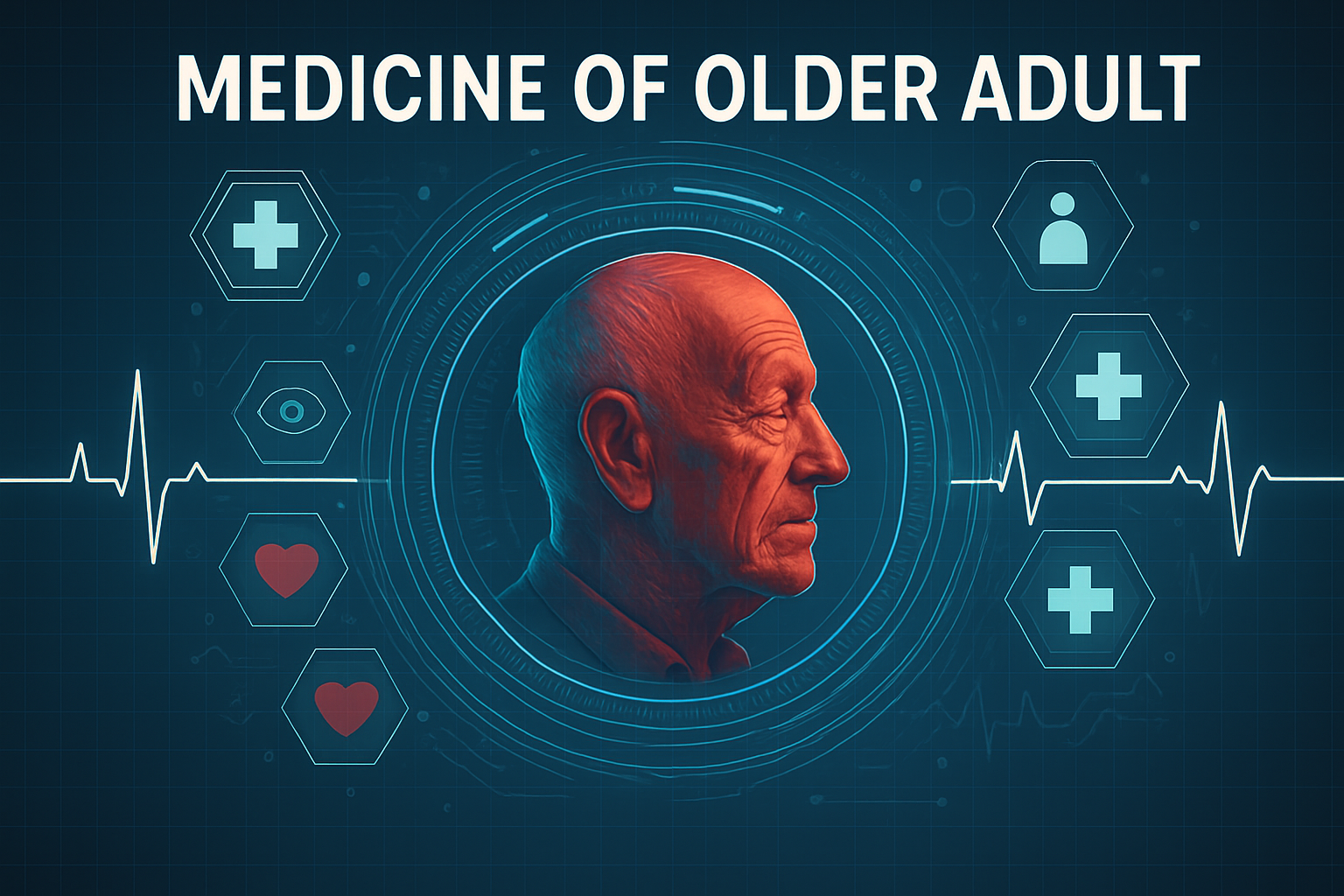
About Course
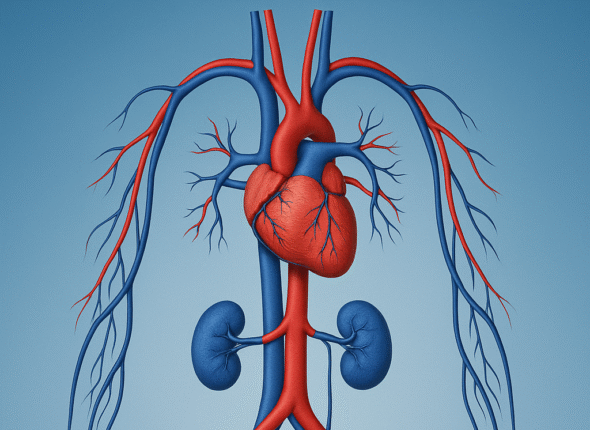
❤️ Heart Failure
– Understand the full spectrum from acute to chronic heart failure, including when to use ACE inhibitors, beta-blockers, diuretics, and life-saving interventions like CRT and ICD.
🧩 Delirium vs. Dementia
– Spot the difference between sudden confusion and progressive memory loss, know when urgent referral is needed, and manage both conditions safely and compassionately.
🦴 Osteoporosis and Fragility Fractures
– Prevent, diagnose, and manage osteoporosis to reduce fracture risk — and handle fractures like hip, femur, tibia, and ankle breaks according to NICE guidelines.
🧊 Temperature Emergencies: Hyperthermia and Hypothermia
– Act fast to diagnose and treat life-threatening temperature dysregulation, from aggressive cooling for heat stroke to active rewarming in severe hypothermia.
🧠 Parkinson’s Disease
– Recognize early motor and non-motor features, initiate first-line treatment with levodopa or dopamine agonists, and know when to escalate to deep brain stimulation.
🌟 Stroke Management
– Identify ischaemic and haemorrhagic strokes rapidly, initiate urgent treatment, and understand when and how to escalate care for the best outcomes.
🎯 UKMLA-Focused High-Yield Summaries
– Each topic is packed with key diagnostic tips, management plans, gold-standard investigations, and red flag signs to spot — helping you prepare for exam day and clinical practice.
Course Content
Medicine of older adult
-
Benign Paroxysmal Positional Vertigo (BPPV)
-
Heart Failure
-
Delirium
-
Hyperthermia
-
Hypothermia
-
Malnutrition
-
Lower limb fractures
-
Hip Fractures
-
Osteoporosis
-
Parkinson’s Disease
-
Stroke
-
Transient Ischaemic Attack (TIA)
-
Non-Accidental Injury in the Elderly
-
Pressure Sores (Pressure Ulcers)
-
Urinary Incontinence
-
Falls in the Elderly
-
Confusion in the Elderly
-
Frailty
-
Mental Capacity Concerns in the Elderly
-
Blackouts and Faints in the Elderly
-
FLASHCARDS